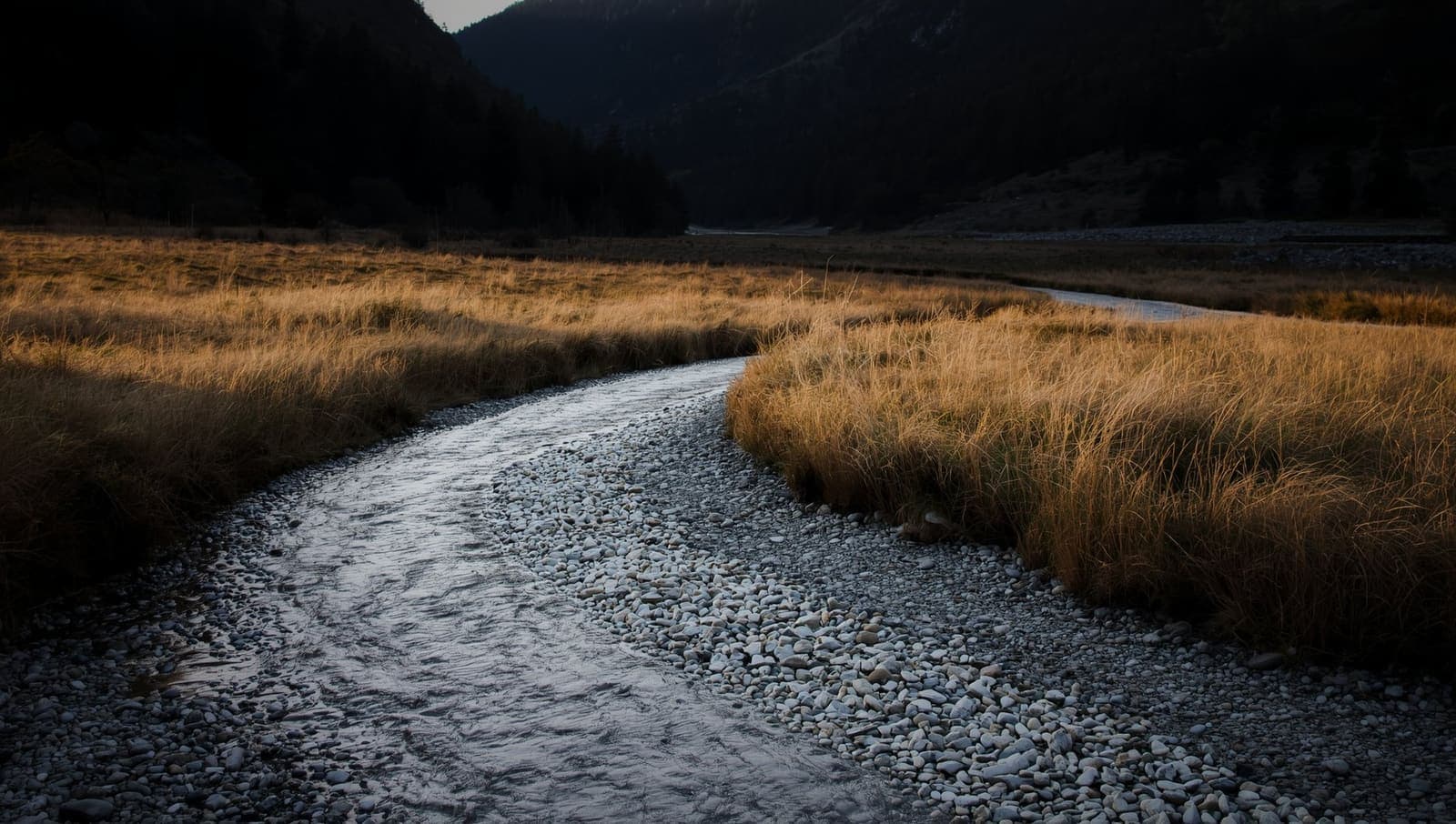
New Zealand
3h 05m from Sydney to Auckland. Type I, 230V — exactly the same as home. You do not need an adapter, and nobody tells you that.
- Flight from Sydney
- 3h 05m
- Plug
- Type I — none needed
- Voltage
- 230V
- Tap water
- Safe to drink
- Currency
- New Zealand dollar (NZD)
- Time vs Sydney
- +2 hours
- Region
- ALL
- Your kit
- New Zealand
New Zealand, month by month
Temperatures in Celsius, because you live in Australia. Remember that a northern hemisphere summer is our winter — the reason most packing advice online is upside down for you.
| Month | Season | High / low | What it is like |
|---|---|---|---|
| January | Summer | 24° / 15° | Warmest and busiest. Book everything early. |
| February | Summer | 24° / 15° | Settled and warm. The best month on balance. |
| March | Autumn | 22° / 13° | Warm days, cooling nights, thinner crowds. |
| April | Autumn | 19° / 10° | Crisp and clear. Layers essential. |
| May | Late autumn | 16° / 8° | Cold mornings, short days, very quiet. |
| June | Winter | 13° / 5° | Ski season opens. Cold and wet at sea level. |
| July | Winter | 12° / 4° | Coldest month. Peak South Island ski season. |
| August | Winter | 13° / 5° | Still cold, snow reliable in the south. |
| September | Spring | 16° / 7° | Wet and windy, warming slowly. |
| October | Spring | 18° / 9° | Unsettled. Excellent value. |
| November | Late spring | 20° / 11° | Long days, good hiking, fewer people. |
| December | Early summer | 22° / 13° | Warm and getting busy toward Christmas. |
What Australians get wrong about New Zealand
- Sandflies on the West Coast and in Fiordland are relentless and are the single most common complaint from first-time visitors. Repellent is not optional there.
- The UV index is extreme even on cool, overcast days — the same hole-in-the-ozone problem Australians already know about.
- Rain is the defining variable. A genuinely waterproof shell beats a heavy jacket.
- Biosecurity at the border is strict and enforced. Clean hiking boots before you fly or expect them to be taken off you.